

 简体中文
简体中文 
Automated continuous casting equipment
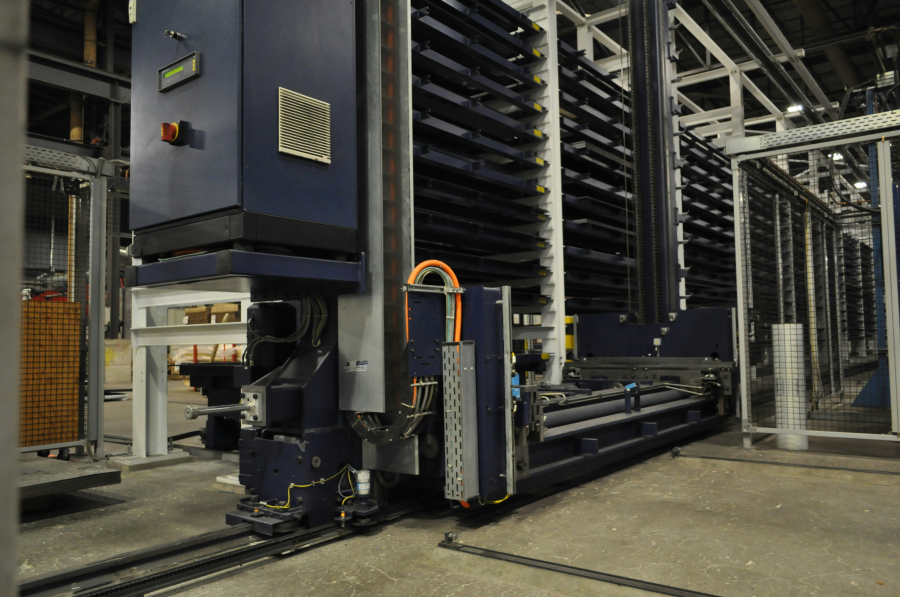
Automated continuous casting equipment is one of the core systems in modern metallurgical industries. It is primarily used to continuously cast molten metal into semi-finished products such as slabs, billets, or blooms with defined shapes and dimensions. Through highly automated control systems, the entire process—from molten metal transfer and solidification to cooling and cutting—is seamlessly integrated, significantly improving production efficiency, product quality, consistency, and reducing energy consumption and labor costs.
Core Technologies and System Components
Automated continuous casting systems consist of several key subsystems, including tundish, mold, secondary cooling system, withdrawal and straightening unit, and automated cutting devices. The mold, as the core component, controls the initial solidification through precise cooling rates. The secondary cooling system regulates temperature distribution via spray cooling. Additionally, automation systems such as PLCs and industrial control software monitor temperature, speed, and liquid levels in real time to ensure stable operations.
Automation Advantages and Production Efficiency
Compared to traditional casting methods, automated continuous casting equipment offers advantages such as continuous production, high efficiency, and reduced material loss. Intelligent control systems enable precise regulation of production rhythms and minimize human error. Automated detection and feedback mechanisms allow real-time adjustment of process parameters, improving product consistency. Moreover, the system reduces defect rates and optimizes energy usage, contributing to energy conservation and emission reduction.
Applications and Future Trends
Automated continuous casting equipment is widely used in the production of steel, non-ferrous metals, and alloy materials, especially in large-scale industrial manufacturing. With the advancement of Industry 4.0, these systems are evolving toward greater intelligence, digitalization, and remote monitoring capabilities. For instance, IoT integration and big data analytics enable predictive maintenance and process optimization. In the future, such equipment will play an increasingly important role in enhancing production flexibility and achieving sustainable manufacturing.
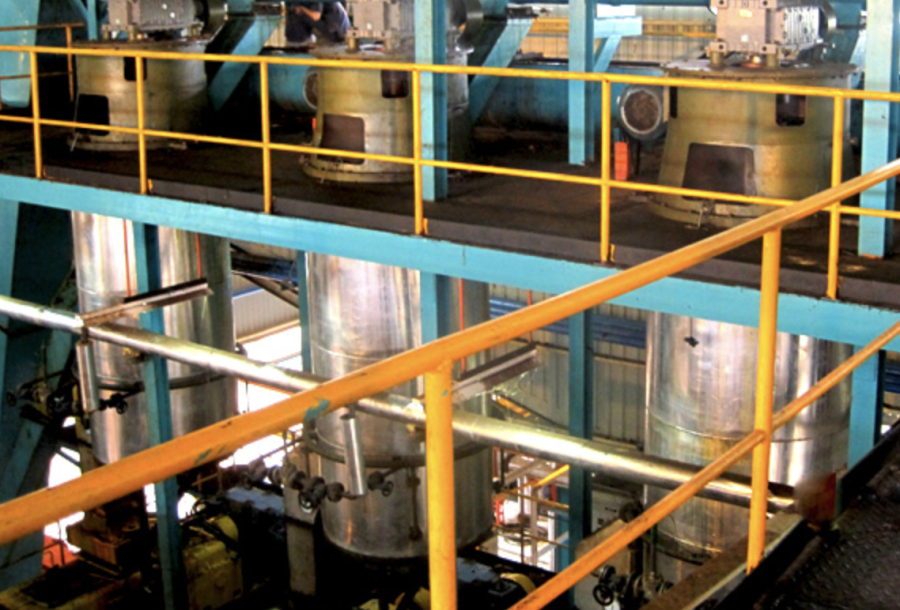
Step 4: Crushing section
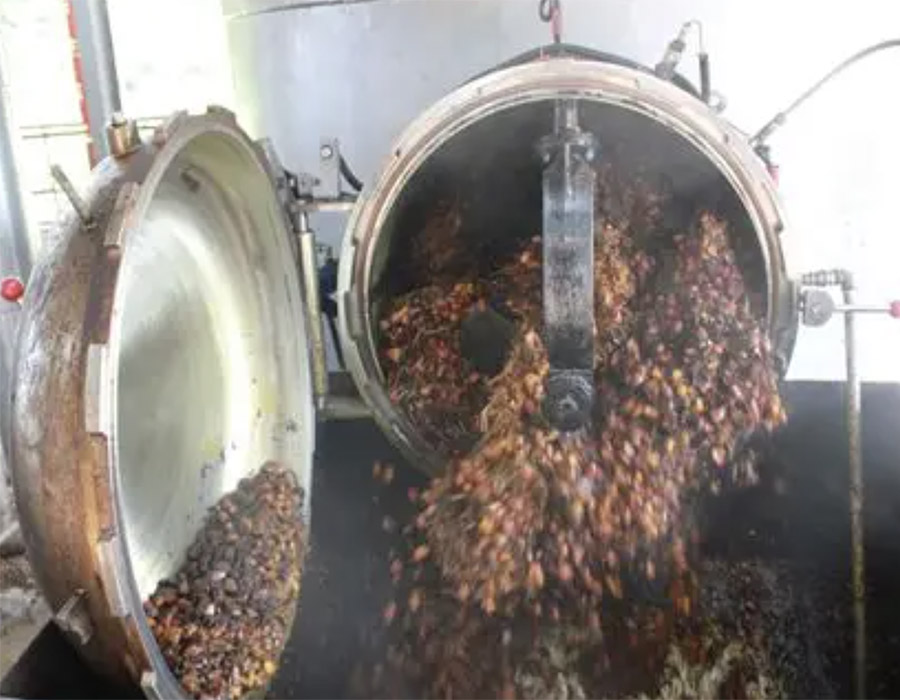
The palm fruit is crushed into a paste through the stirring and squeezing of the crusher, which helps to accelerate the pressing efficiency of palm oil.
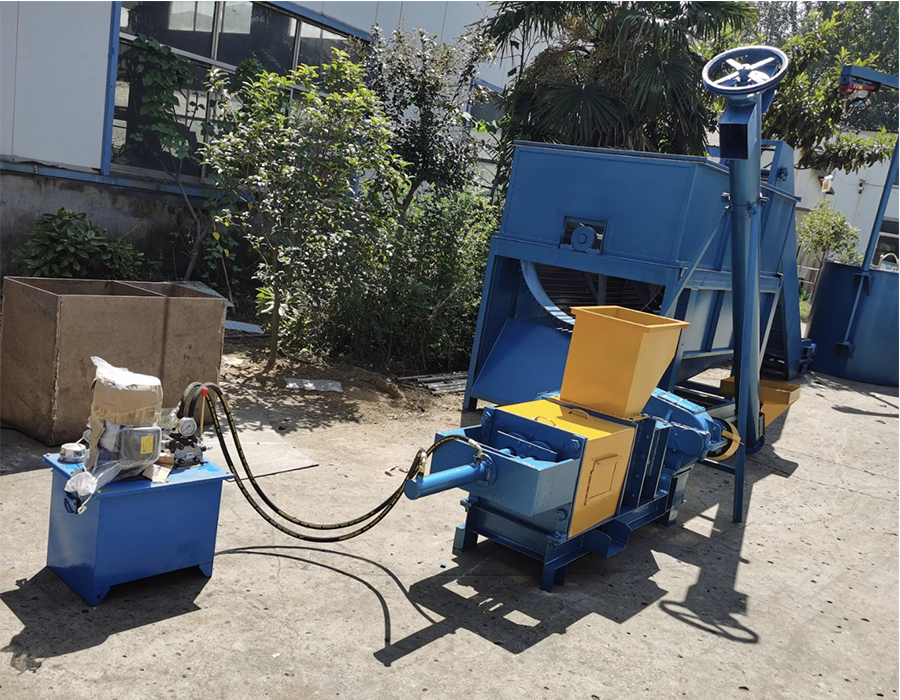
Step 5: Squeezing section
The crushed palm fruit is continuously squeezed by an oil press to obtain a mixture of palm wool oil, kernel, and fiber. Palm oil enters the filtration section, while the mixture of kernel and fiber enters the palm kernel recovery section.
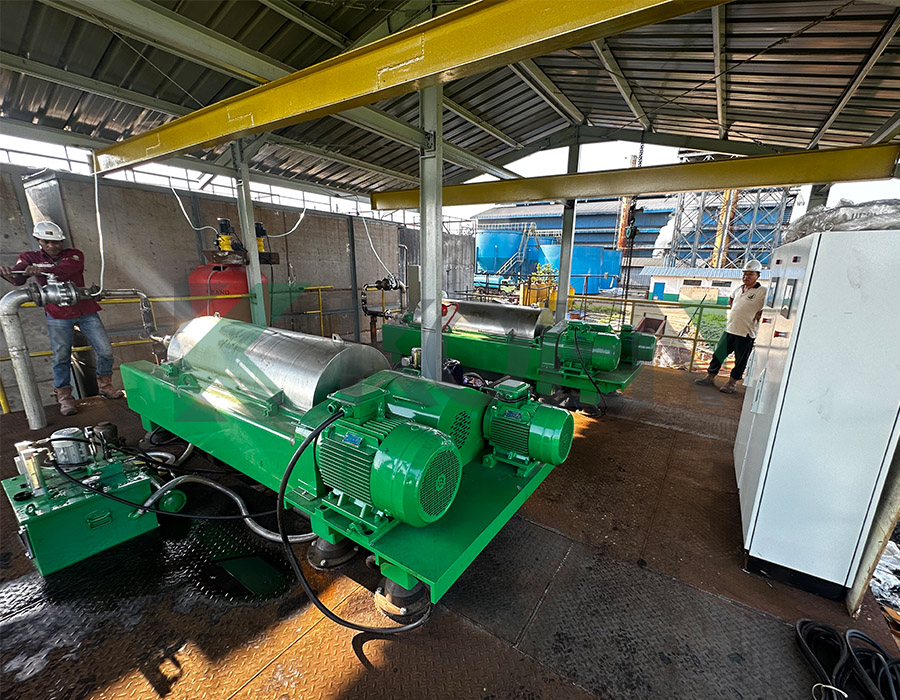
Palm Oil -Solid -Waste Water Separation Process
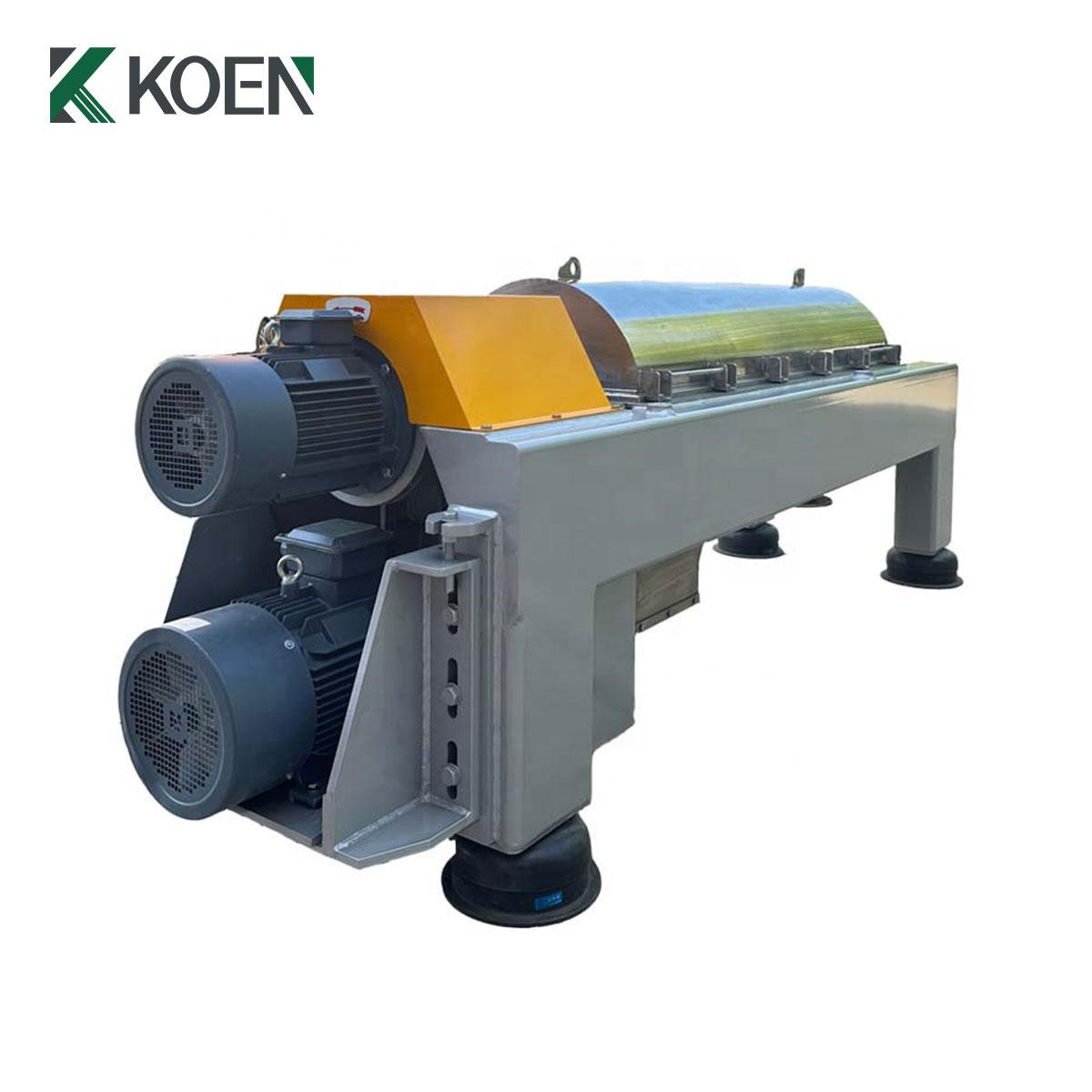
Use tricanter centrifuge to remove solid impurities and wastewater from palm oil and improve the quality of palm oil.
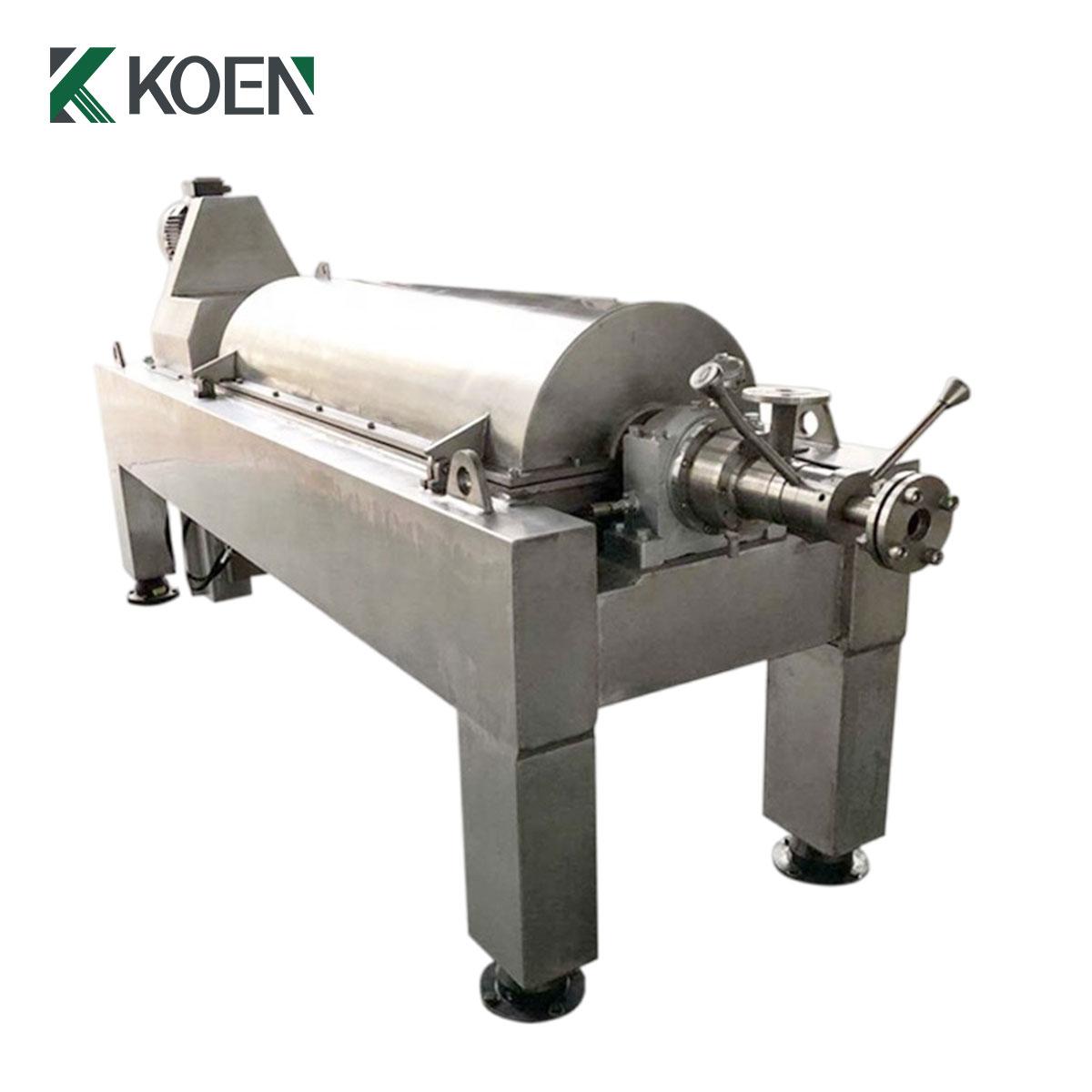
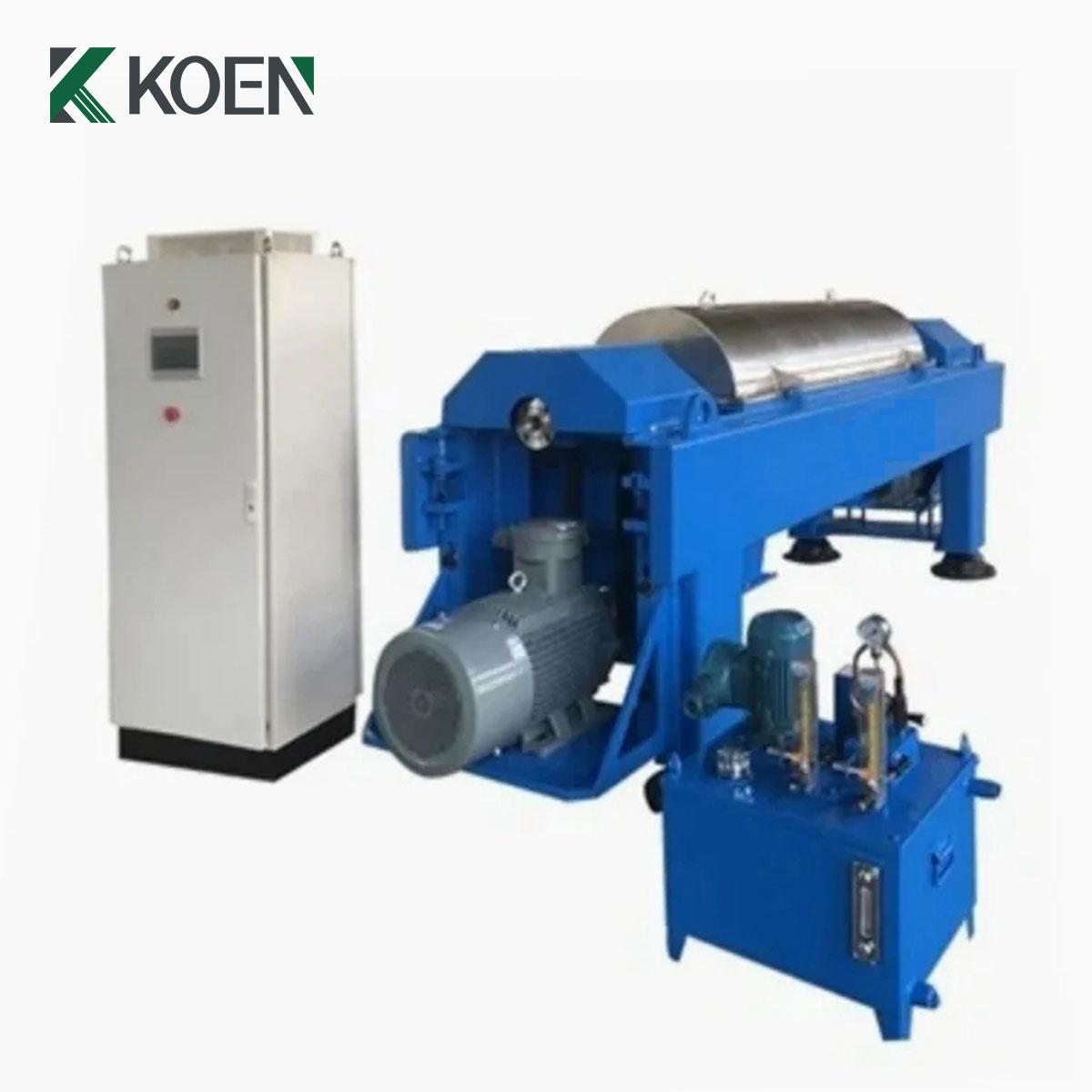
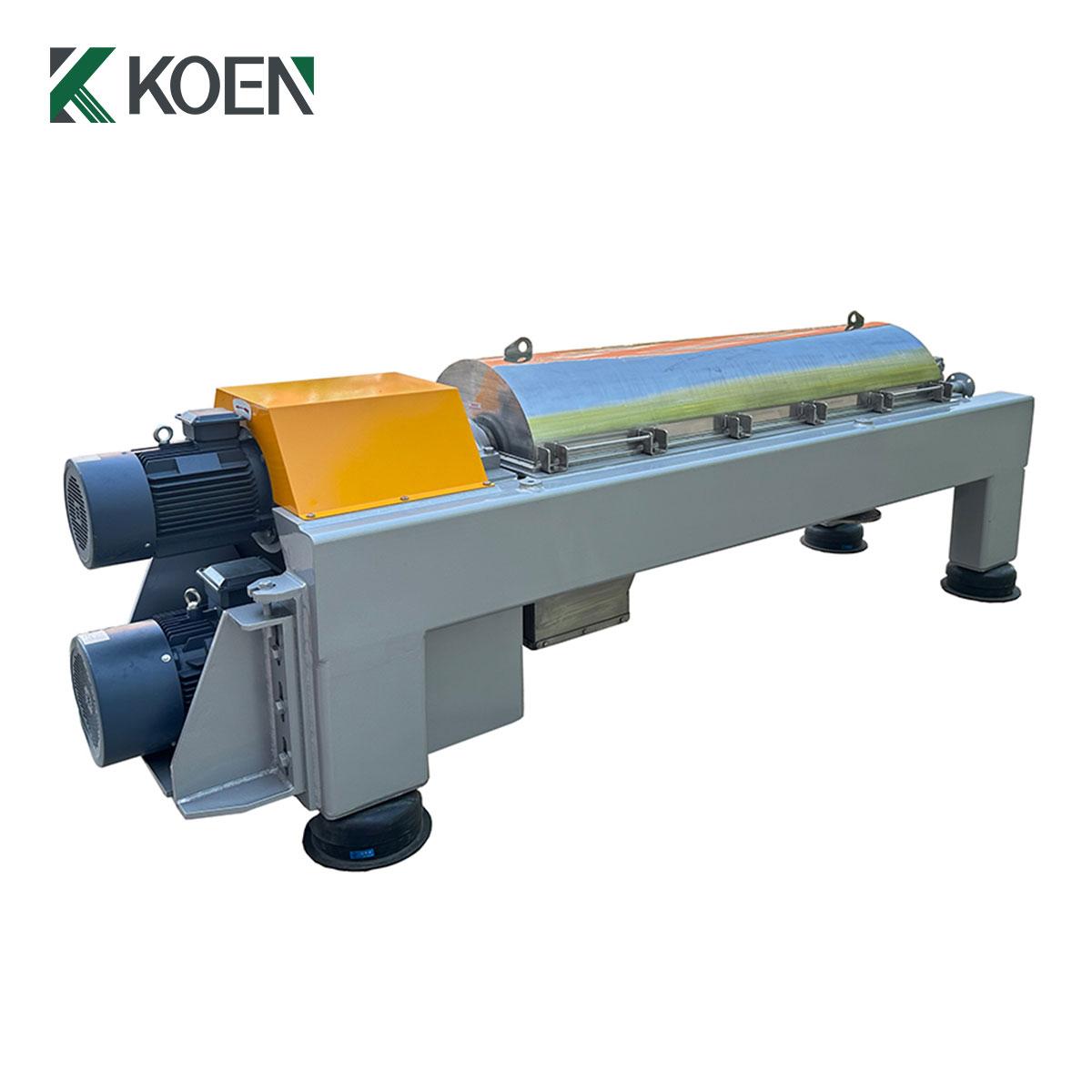
Koen brand tricanter centrifuge adopts centrifugal casting drum which made by Duplex Steel 2304/2205 .and the fully automatic lubricating oil system can be equipped with a cooling function , greatly extending the service life of the bearings
Kone Machinery's tricanter centrifuge model: LWS355-LWS600
Processing capacity: 1 ton to 50 tons per hour
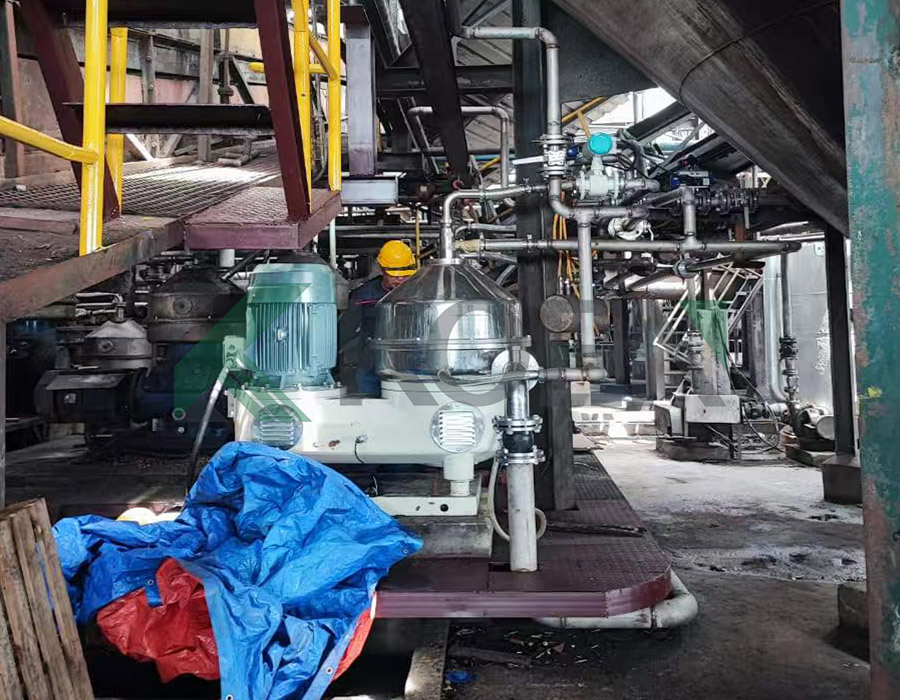
Oil Harvest from Waste Water
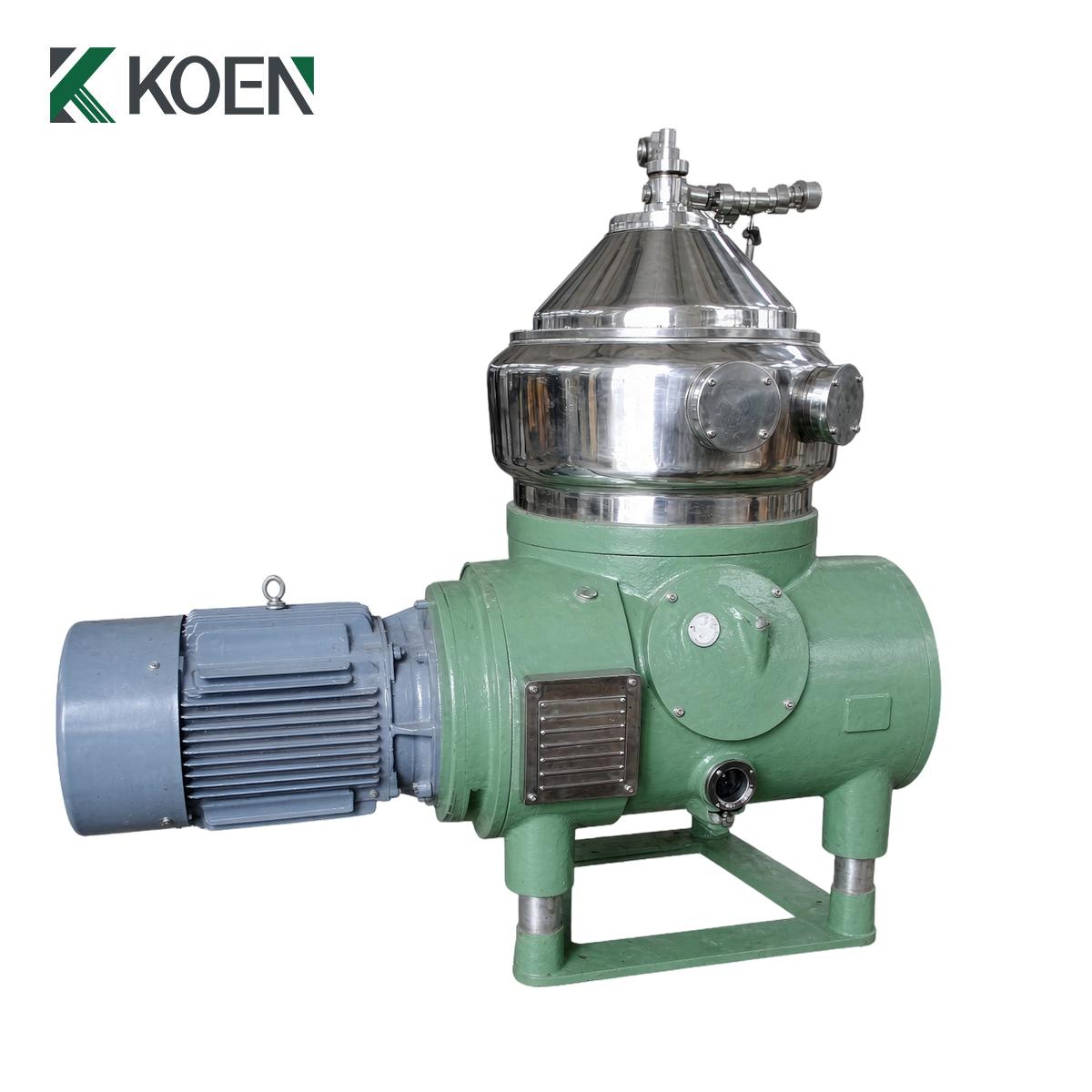
After separation by the tricanter centrifuge, the wastewater will contain about 0.9% oil, which can be recovered using Koen Machinery's DPF455 nozzle separator for the oil recovery section.
Can completely replace the 710 model nozzle separator