

 简体中文
简体中文 
- Green Manufacturing and the Transformation Needs of the Textile Industry
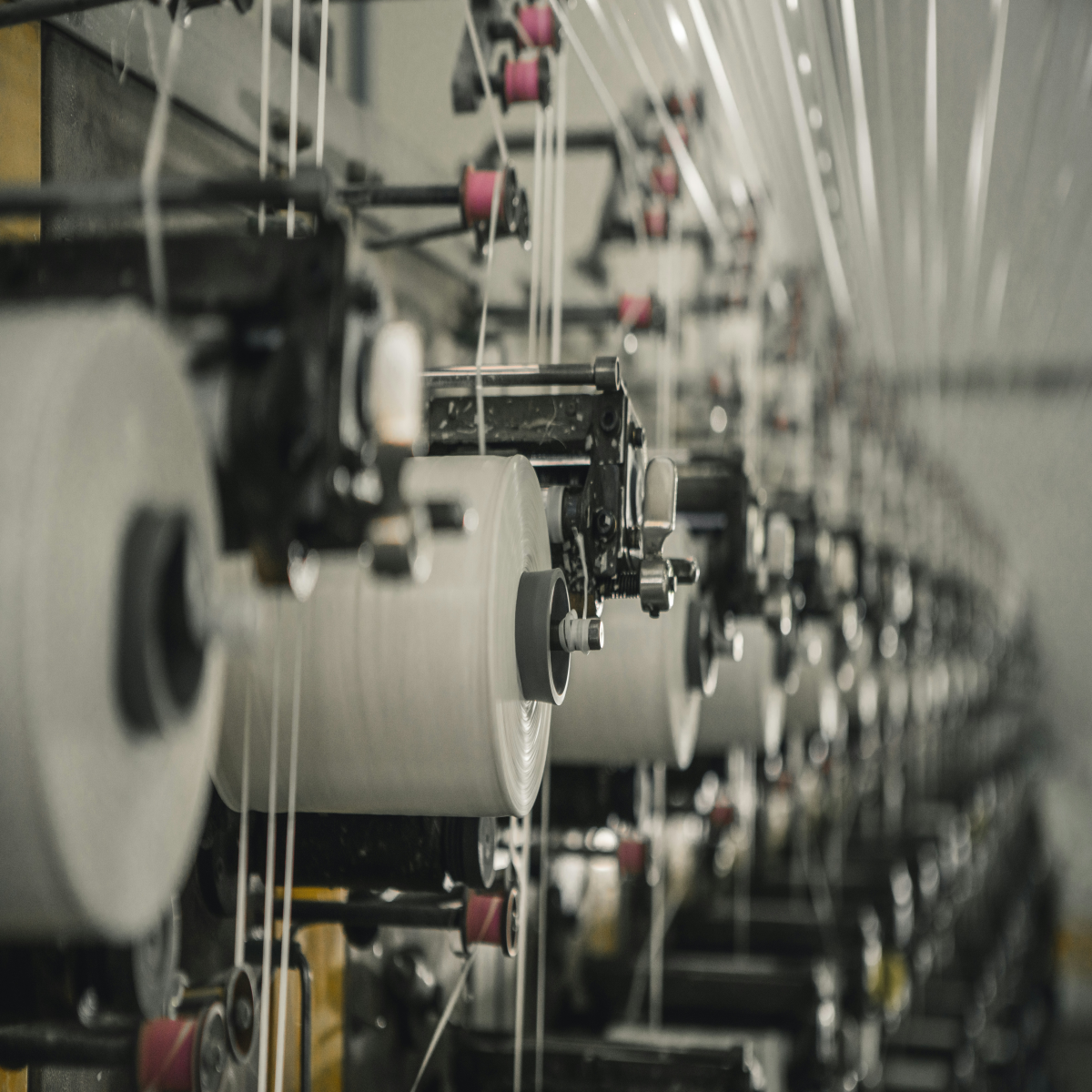
As global environmental regulations become stricter and consumer demand for sustainable products increases, traditional garment and textile manufacturing models face significant challenges. High energy consumption, excessive emissions, and resource waste have become major barriers to industry development. At the same time, growing demand for small-batch, diversified, and fast-delivery production requires textile manufacturers to balance green manufacturing with flexible production capabilities. Therefore, developing textile machinery systems with intelligent control and energy management functions has become a key direction for industrial upgrading.
- Core Architecture Design of Intelligent Control Systems
The intelligent control system mainly consists of equipment sensing modules, a central control platform, energy management units, and production data analytics systems. By deploying multiple sensors, the system can collect real-time data on equipment status, energy consumption, and production parameters. The central control platform utilizes AI algorithms to dynamically adjust production rhythms and equipment loads, optimizing both manufacturing efficiency and energy utilization. In addition, the system integrates automated conveying and intelligent scheduling technologies to enable rapid switching between production tasks, enhancing flexible manufacturing capabilities.
- Energy Optimization Strategies Toward Carbon Neutrality Goals
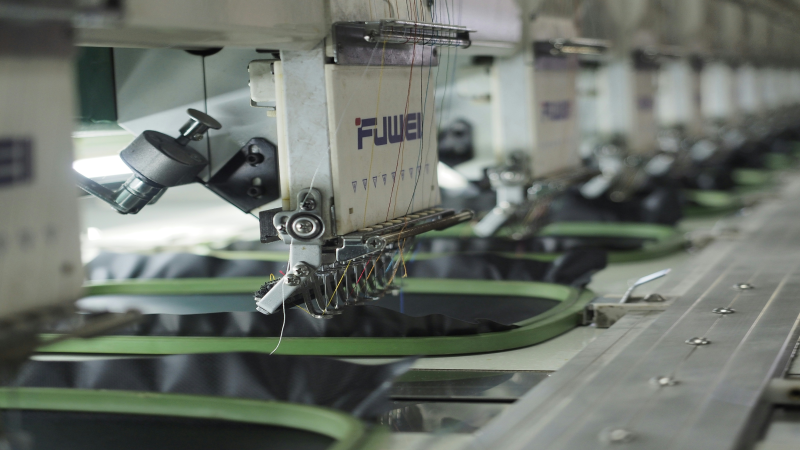
To achieve carbon neutrality goals, the system incorporates intelligent energy monitoring and carbon emission analysis functions. By tracking electricity usage, steam consumption, and production efficiency in real time, companies can accurately identify high-energy-consumption processes and optimize them. For example, the system can automatically adjust machine operating modes based on order demands to reduce energy usage during low-load periods. In addition, renewable energy management modules improve the utilization efficiency of solar power and energy storage systems, thereby reducing overall carbon emissions.
- Future Development and Industrial Application Prospects
In the future, intelligent control systems for garment and textile machinery will continue evolving toward digital factories, cloud collaboration, and adaptive manufacturing. Through digital twin technology, enterprises can simulate production processes and energy consumption in virtual environments, enabling more accurate production decisions. Meanwhile, cloud-based data platforms and remote maintenance technologies can improve cross-regional production coordination efficiency. As global demand for green supply chains continues to expand, intelligent and low-carbon textile manufacturing systems will demonstrate stronger competitiveness in international markets.